
More than 30 young women are feared trapped in remote camps in the Savannah Region, where they are allegedly subjected to forced prostitution after being lured with false promises of employment, the Ghana Immigration Service (GIS) has disclosed.
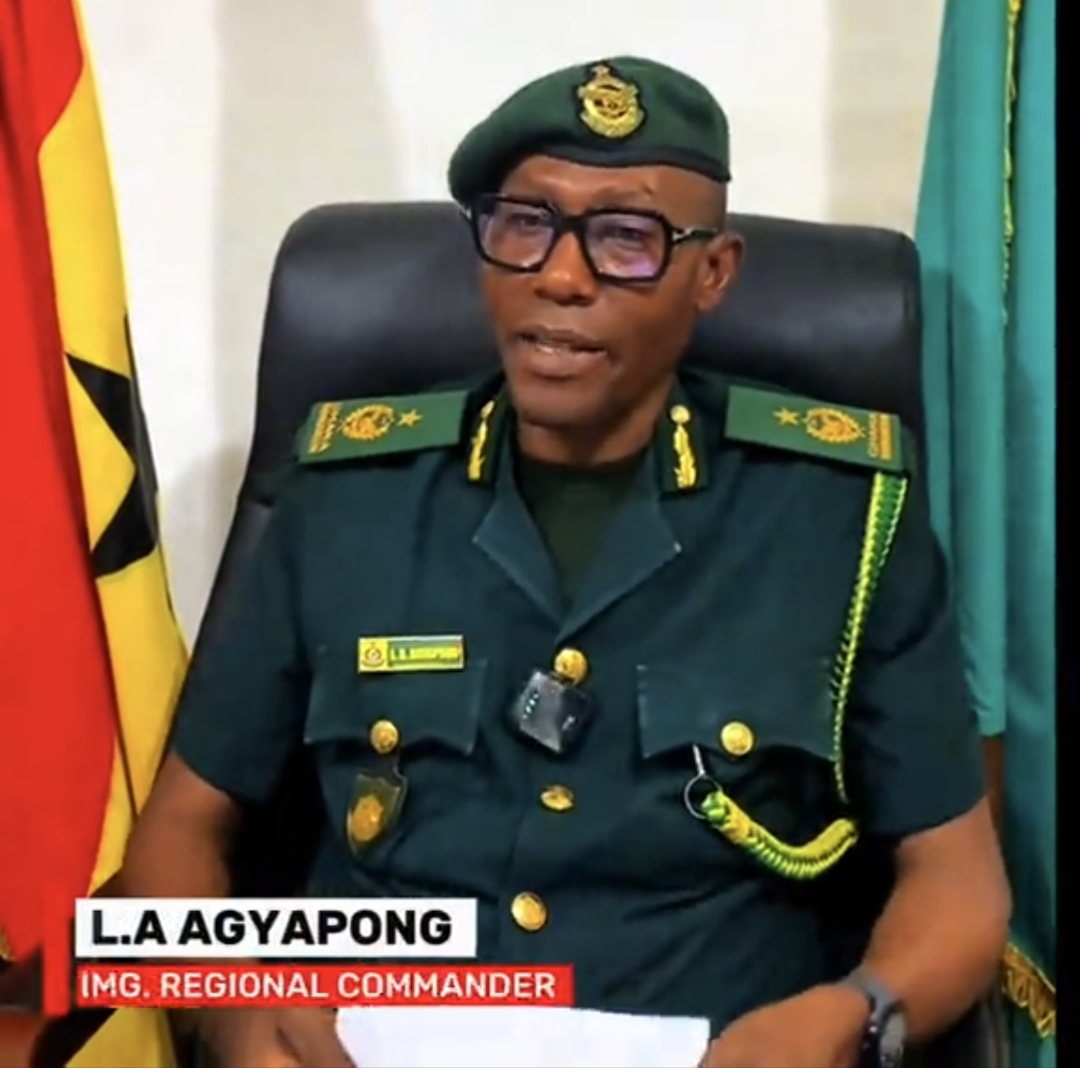
The disclosure follows the arrest of a suspected human trafficking kingpin, identified as Prince James, also known as Prince Odugbu, during a late-night operation led by the Savannah Regional Ghana Immigration Service, according to the Savannah Regional Commander of the GIS, Deputy Commissioner of Immigration (DCOI) Lawrence Agyei Agyapong.
According to DCOI Agyapong, the suspect allegedly operated a cross-border trafficking network spanning Nigeria, Benin, Togo and Ghana, exploiting vulnerable women through deception, fabricated debts and sexual exploitation.
Victims were reportedly recruited in Nigeria, transported through Benin and Togo into Ghana via Aflao and moved through Accra to remote locations in the Savannah Region.
One reported destination is Kloth, a mining community in the Bole district of the Savannah Region which is about 240 kilometres from Damongo the regional capital of the Savannah Region, where difficult terrain and limited road access make security operations challenging.
A survivor, a trained nurse who believed she had secured a healthcare job in Ghana, said she discovered on arrival that she had been deceived into prostitution.
“When I reached Ghana, I realised it was not hospital work; it was prostitution work,” she recounted.
Victims were allegedly forced to repay fabricated transportation debts through prostitution before they could regain their freedom.
The conditions expose them to sexual violence, psychological trauma and prolonged exploitation, while isolation makes escape difficult.
The survivor reportedly escaped under cover of darkness and helped authorities track down the suspected ringleader.
The arrest has heightened calls for urgent efforts to rescue the women believed to remain in the camps and bring other suspected members of the network to justice.
DCOI Agyapong said the suspect was in custody at the GIS regional headquarters and assisting with investigations, as authorities worked to identify accomplices and locate the remaining victims.
The case also raises concerns about the need for effective prosecution of human trafficking offences. Investigators must gather evidence, establish the roles of suspected accomplices and protect survivors and witnesses to ensure that those found guilty face the penalties prescribed by law.
The GIS has urged jobseekers to verify employment offers, particularly those involving travel and unexplained recruitment or transportation fees, and encouraged the public to report suspected trafficking activities.
With more than 30 women potentially still at risk, rescuing the victims and dismantling the alleged network remain urgent priorities.
Source: nkilgifm.com