
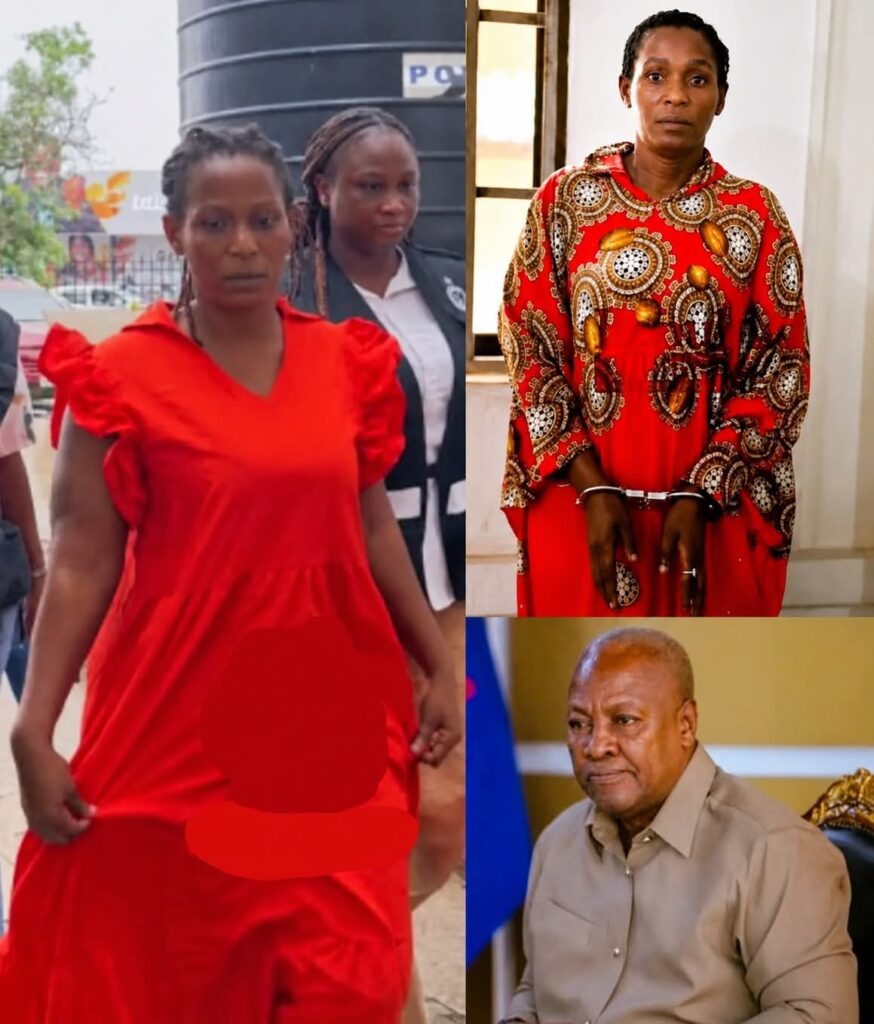
Some youth in Bole in the Savannah Region have described the one-year prison sentence imposed on New Patriotic Party (NPP) TikToker Camilla Alhassan as too lenient, arguing that the punishment does not reflect the gravity of the offences to which she pleaded guilty.
Speaking after the judgment, one of the youth, Mr. Oluwinta, said the sentence was too light considering the nature of the statements made by the convict. He argued that such a punishment could fail to deter others from engaging in similar conduct.
“If this is all the punishment for such actions, then she might as well have been allowed to walk free because others may be encouraged to repeat the same conduct,” he said.
Some of the youth also called on President John Dramani Mahama to ensure that the government’s “Reset Ghana” agenda extends to tackling the misuse of social media platforms, particularly TikTok, to curb the spread of false information and offensive content.
The NDC Savannah Regional Director of Communications, Mr. R. A. Jalil, also reacted to the judgment, expressing surprise at the sentence.
In a brief reaction, he asked, “And they gave her only one year?”
Camilla Alhassan was on Thursday, July 16, 2026, sentenced to one year imprisonment by the Accra Circuit Court after pleading guilty to charges of offensive conduct and publication of false news.
The charges stemmed from a series of videos in which she made numerous allegations against President John Dramani Mahama, members of his family and other public officials.
Among the allegations were claims—made without evidence that President Mahama buried 32 cows to secure victory in the 2024 general elections. She also made several other defamatory and offensive allegations involving the President, his brother Ibrahim Mahama, First Lady Lordina Mahama, and Communications Minister Sam George.
According to court proceedings, Alhassan pleaded guilty to all the charges brought against her, leading to her conviction and subsequent one-year custodial sentence.
The case has generated widespread public debate, with some Ghanaians welcoming the conviction as a warning against the spread of false information and defamatory content on social media, while others continue to discuss whether the sentence is proportionate to the offences committed.
Source:nkilgifm.com
