
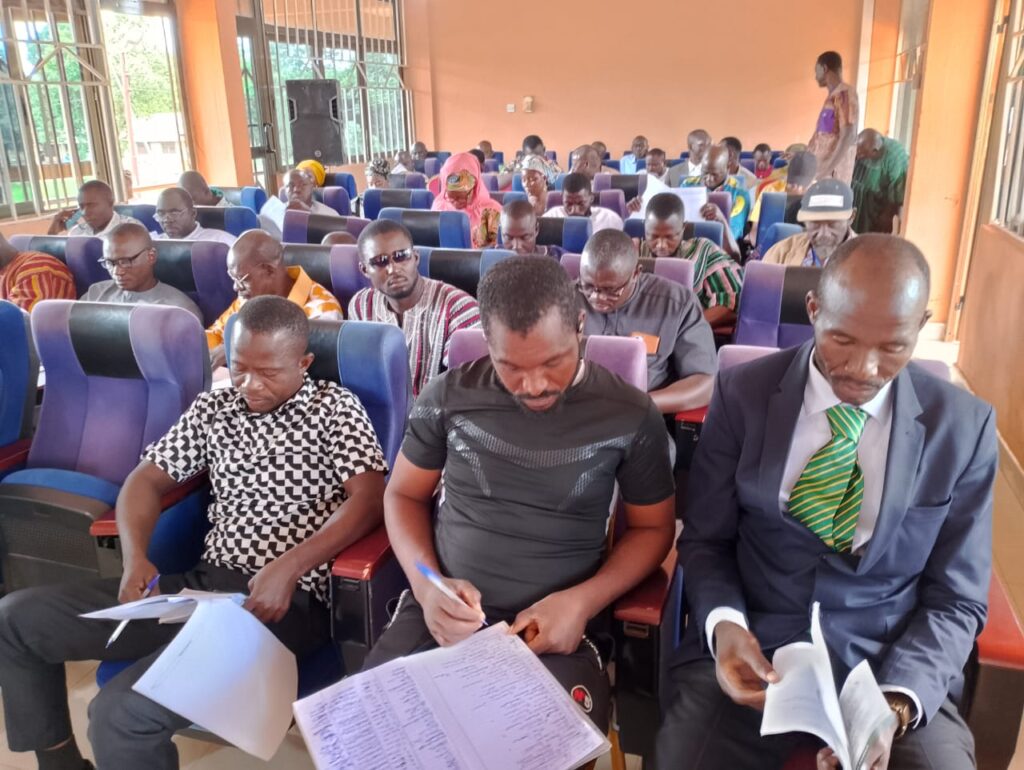
The Bole District Assembly has held the First Ordinary Meeting of the Third Session of the Ninth Assembly, with stakeholders reviewing the district’s development progress while outlining key priorities aimed at accelerating socio-economic growth.
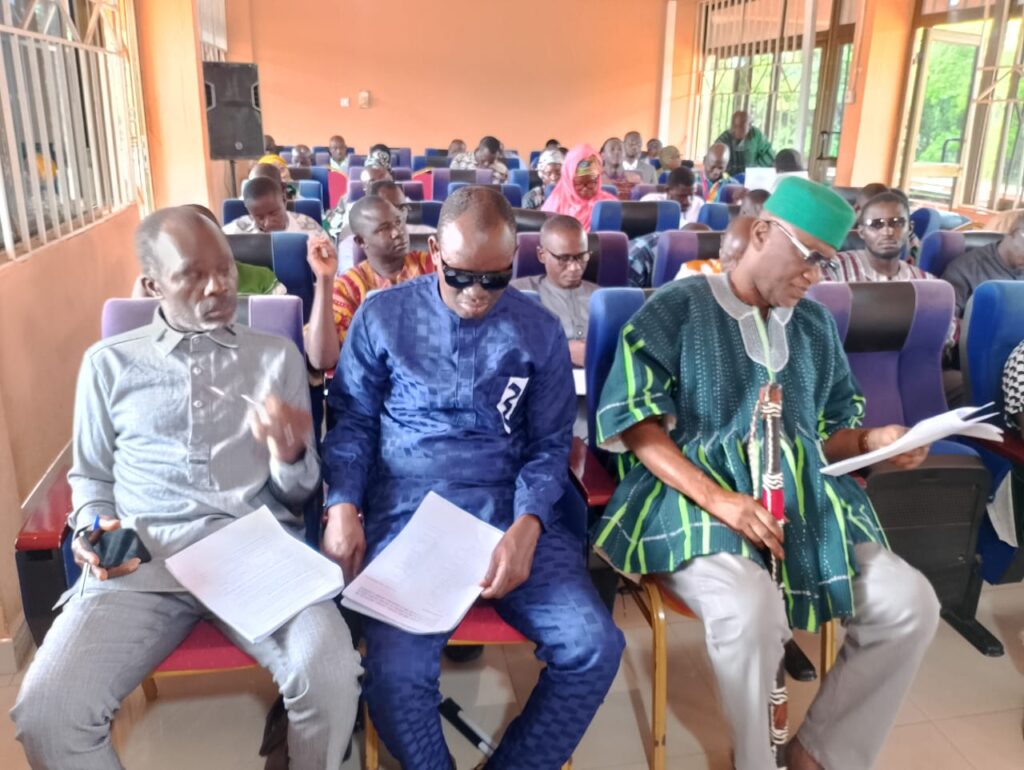
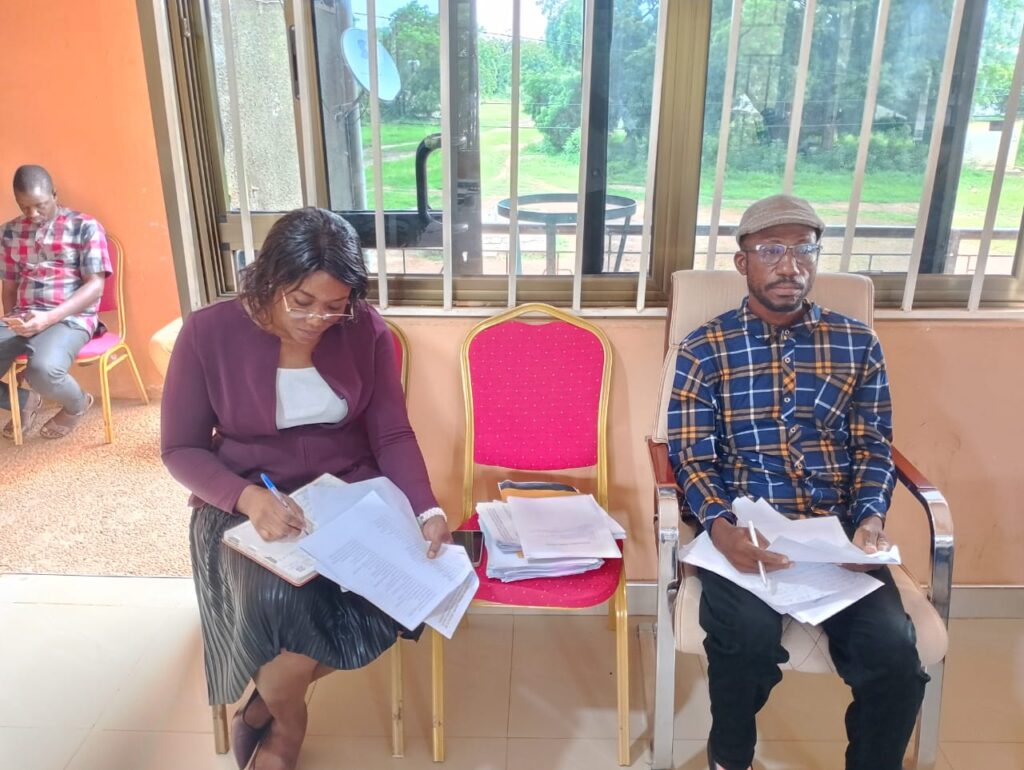
The meeting, held on Thursday, July 16, 2026, at the District Assembly Conference Hall, brought together Assembly Members, heads of departments, security agencies, development partners, traditional authorities, the media and other stakeholders.
In his welcome address, the Presiding Member of the Bole District Assembly, Hon. Adams Dramani Deen, said the quarterly General Assembly meeting, as required under the Local Governance Act, provides an important platform for Assembly Members and stakeholders to assess the Assembly’s performance, review the implementation of projects and ensure transparency in the use of public resources.
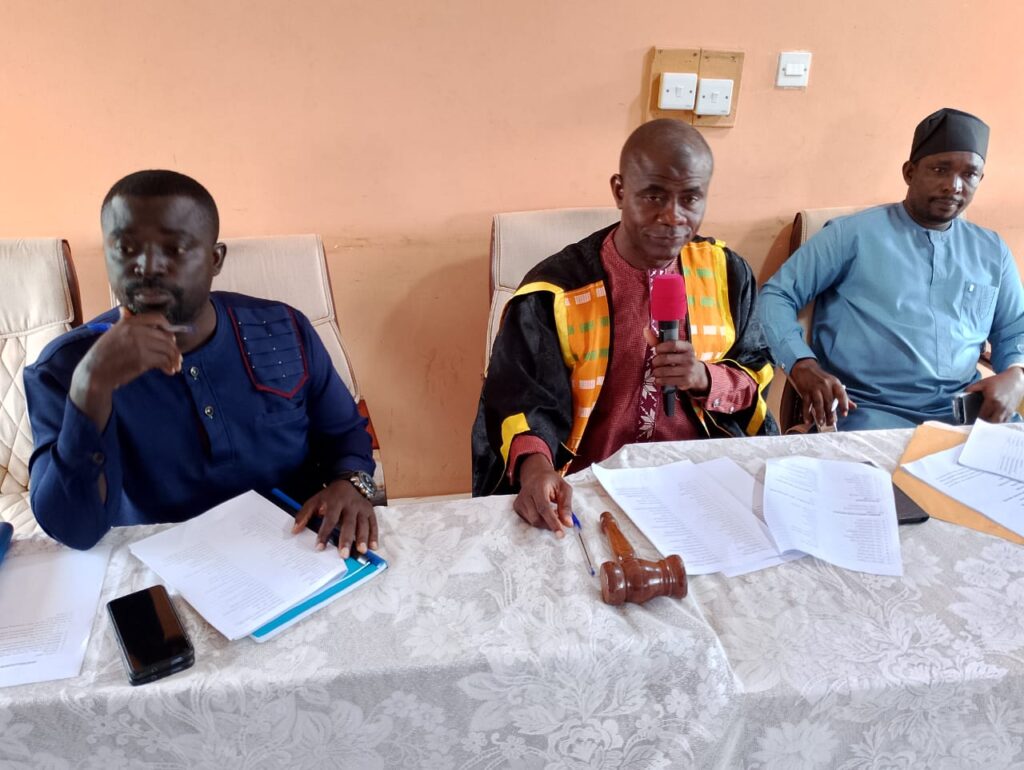
He noted that the meeting also offered members the opportunity to consider recommendations from the Assembly’s seven sub-committees, refine proposed development projects and adopt practical and achievable interventions for implementation.
Hon. Deen urged Assembly Members to actively participate in the deliberations by making meaningful contributions that would support effective planning and sustainable development across the district.
Delivering his sessional address, the District Chief Executive (DCE) for Bole, Hon. Abdulai Mahmud, reaffirmed the Assembly’s commitment to accountable governance and accelerated development.
He disclosed that the Assembly received GH¢4,168,183.00 as its share of the fourth-quarter 2025 District Assemblies Common Fund and generated GH¢573,183.00 internally during the first half of 2026.
According to the DCE, management will intensify efforts to improve internally generated revenue through strengthened revenue collection systems, public education, regular monitoring and enhanced supervision of revenue collectors. He appealed to ratepayers, businesses and property owners to fulfil their tax obligations to support local development.
On security, Hon. Mahmud said the district continues to enjoy relative peace and stability despite isolated incidents of highway robbery, which he said had been brought under control by the Ghana Police Service. He assured residents that the Assembly would continue collaborating with security agencies to address threats including illegal mining, cattle theft, land disputes and trans-border crimes.
The DCE commended traditional authorities, religious leaders and community members for their contributions to maintaining peace, stressing that security remains a shared responsibility.
In the education sector, Hon. Mahmud highlighted significant investments made by government and the Assembly. He noted that 14 Junior High Schools had received BSTEM science and mathematics kits, with 34 teachers already trained to use the equipment. Fourteen primary schools have also received the kits, while 10 primary schools have been provided with BSTEM Boxies pending teacher training.
He further announced that more than 4,000 mono desks and chairs had been distributed to Junior High Schools across the district, while 1,000 desks and chairs had been supplied to Bole Senior High School. In addition, the Assembly has awarded a contract for the supply of 684 dual desks, 141 hexagonal tables with 846 chairs, and 90 teachers’ tables and chairs.
The Assembly, he added, continues to support mock examinations, inter-school competitions and other educational programmes to improve academic performance.
On healthcare, the DCE said the Assembly had dedicated funds under the District Assemblies Common Fund Responsive Factor Grant (DACF-RFG) to procure health equipment for distribution to health facilities across the district. He reiterated the Assembly’s commitment to advocating for additional health personnel and improved healthcare infrastructure while commending health workers for their dedication.
Addressing agriculture, Hon. Mahmud described the sector as the backbone of the district’s economy.
He revealed that under the Feed Ghana Programme, 279 farmer groups comprising 2,676 farmers had been registered, with the district receiving 2,500 bags of NPK fertilizer and 50 bags of urea for distribution.
Five educational institutions, including Bole Senior High School, Bole Kivotech Senior High School, Bole Technical Institute, Bamboi Community Technical Senior High School and Mankuma RC Junior High School, have also benefited from fertilizer support for institutional farming.
He further announced that under the World Food Programme-supported Changing Lives and Transformation Fund, more than 154,000 cashew, mango and moringa seedlings have been allocated to farmers to promote climate-smart agriculture. Distribution of the seedlings commenced on July 16 across four designated cluster centres in Bole, Gbongbon, Maluwe and Teselima.
The DCE also acknowledged the support of Children Believe and NORSAC in distributing vegetable seeds and seedlings to 12 beneficiary communities to improve household nutrition.
On infrastructure, Hon. Mahmud reported steady progress under the District Road Improvement Programme (DRIP), including the rehabilitation of the 37-kilometre Bole-Chache Road and reshaping works on several feeder roads connecting farming communities.
He, however, noted that heavy rainfall continues to affect portions of the road network, requiring additional government support for maintenance.
The DCE also outlined several ongoing development projects, including the rehabilitation and construction of classroom blocks at Seripe, English and Arabic Primary School, Bole D/A Primary School, Maluwe, Kiape, Chache, Gbongbon and Talikura.
Other projects include the construction of a CHPS compound at Kabilma, drilling and mechanisation of multiple boreholes across several communities, and the installation of water facilities in schools and public institutions.
Hon. Mahmud assured the Assembly that management would strengthen project monitoring to ensure quality execution and timely completion.
During the meeting, the Assembly also considered several resolutions from the Executive Committee for adoption. Key proposals included improving revenue mobilisation through cattle rate collection, reconstructing the collapsed classroom block at Mokalidu, constructing a new school at Tanekura, establishing water management committees, opening inner roads with DRIP equipment, creating a District Assembly farm, enforcing by-laws on cattle grazing, implementing a “pay-as-you-dump” waste management policy, renovating selected health facilities and seeking support for the construction of a permanent police post at Jentige.
Concluding his address, Hon. Abdulai Mahmud called on Assembly Members to remain united and focused on the collective interest of the district.
He expressed confidence that through effective collaboration, commitment and responsible leadership, the Assembly would continue to deliver development projects that improve the living standards of the people of Bole District.
Source:nkilgifm.com
