
Dealers who sell uncertified seeds in Ghana risk arrest, prosecution, fines and imprisonment as the National Seed Council intensifies efforts to regulate the seed sector and protect farmers from poor-quality planting materials.
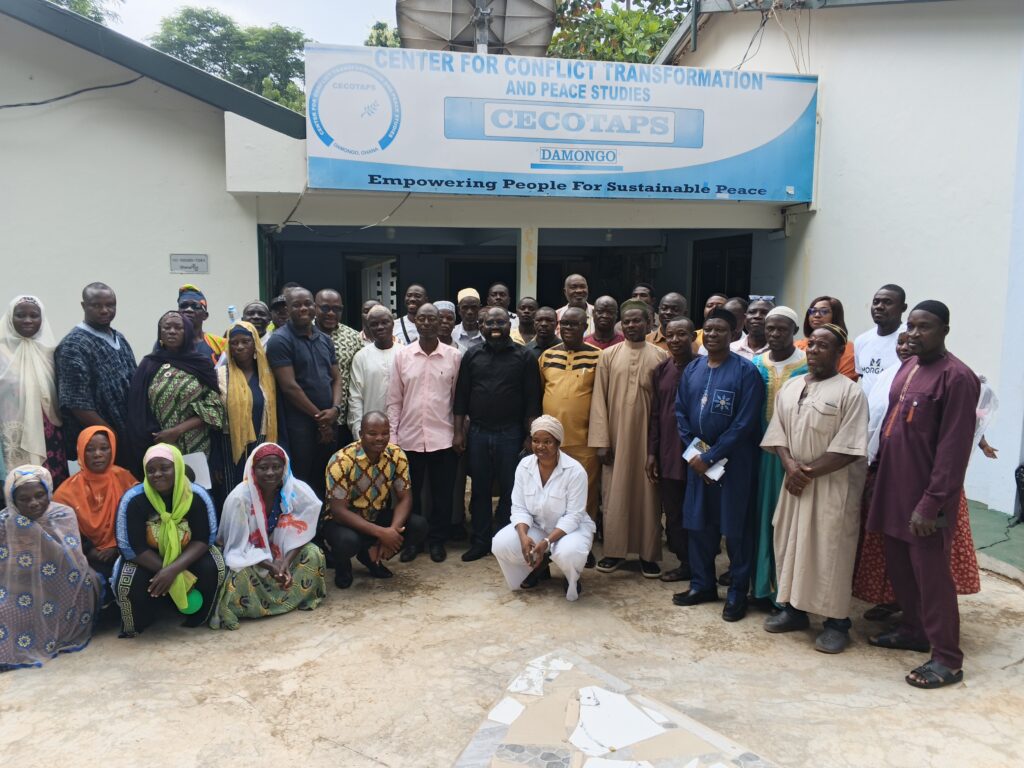
Dr. Peter Boamah Otokunor, Director of the Presidential Initiatives in Agriculture and Agribusiness (PIAA) at the Office of the President and a committee member of the Ghana Seed Council, disclosed this at a stakeholders’ engagement meeting in Damongo in the Savannah Region on Monday, August 17, 2026.
He said the nationwide sensitisation exercise was aimed at educating stakeholders on the importance of quality seeds, assessing challenges within the seed supply chain and strengthening regulatory oversight to ensure farmers have access to certified seeds at affordable prices and when they need them.
According to Dr. Otokunor, the seed sector is critical to Ghana’s quest for food security, making effective regulation of seed producers, breeders, input dealers and other actors essential.
He said the National Seed Council, under the law, is mandated to regulate, register and certify institutions involved in seed production and ensure that only approved seeds reach farmers.
However, he expressed concern that some farmers continue to fall victim to dealers who sell uncertified seeds, a situation he said undermines agricultural productivity and Ghana’s food security objectives.
“We have discovered much more significantly that there are some seeds that are on the market that are inimical to our food security objectives. And that means that we need to do more. We need to restructure and redesign our systems for tracing and tracking the seeds that are certified for farmers to use,” he stated.
Dr. Otokunor warned that the sale of uncertified seeds is a criminal offence under Ghana’s seed laws and urged dealers to comply with the regulations or risk facing legal consequences.
He said individuals found selling seeds that have not been tested, approved and certified could be arrested and prosecuted, with penalties including fines and imprisonment. He therefore urged seed dealers and other actors in the supply chain to ensure that the products they handle meet the required regulatory standards.
The PIAA Director also identified improper storage, transportation and handling as major challenges affecting the viability of seeds, particularly hybrid varieties and explained that although input dealers generally deliver seeds on time, poor conditions along the supply chain could significantly reduce their germination capacity.
According to him, some hybrid seeds lose their viability over time, with instances where certified seeds expire before farmers are able to plant them.
He stressed the need for improved storage and transportation systems to ensure that certified seeds retain their quality from the producer to the farmer.
Dr. Otokunor said recent government interventions, including the provision of free seeds and fertiliser to farmers, had helped improve access to agricultural inputs and delivery timelines.
He acknowledged that procurement processes had previously created delays but said recent interventions had resulted in improvements in getting agricultural inputs to farmers on time, adding that the government remained committed to strengthening the seed supply chain while ensuring that farmers receive quality inputs capable of improving productivity and profitability.
Dr. Otokunor further highlighted the need to educate farmers about the limitations of repeatedly recycling certain seeds. He said the continued use and recycling of open-pollinated varieties could contribute to declining productivity, while farmers could achieve higher yields by adopting improved and appropriate seed varieties.
He said the sensitisation campaign was therefore intended to help farmers make informed decisions when purchasing planting materials.
The Council is also concerned about the smuggling of uncertified seeds into Ghana through the country’s porous borders. Dr. Otokunor said regulatory agencies, working with local stakeholders, were conducting inspections to identify uncertified seeds and enforce compliance with Ghana’s seed regulations.
He said the nationwide engagement was providing the Council with an opportunity to interact with seed producers, breeders, input dealers, agricultural officials and farmers while gathering first-hand information on challenges confronting the sector. He said the Council’s ultimate objective was to build a reliable seed system that would provide farmers with the right quality seeds at affordable prices and at the right time.
Dr. Otokunor stressed that a strong seed system was indispensable to increasing farm yields, improving farmers’ incomes and achieving sustainable food security in Ghana.
He therefore urged all stakeholders, particularly seed producers and dealers, to comply strictly with the law and support efforts to eliminate uncertified and poor-quality seeds from the Ghanaian market.
Source: nkilgifm.com
