Savannah Region: NPP, Joseph Wereh Clash Over Alleged Tribal Exclusion in Sawla-Tuna-Kalba Constituency Elections
A disagreement has emerged between the New Patriotic Party (NPP) in the Savannah Region and an executive of the Brifor Youth Association Joseph Wereh over allegations that members of the Birifor ethnic group were prevented from contesting positions in the NPP’s recent constituency executive elections in the Sawla-Tuna-Kalba Constituency.
Mr. Wereh has accused individuals involved in the constituency election process of using tribal considerations to prevent some Birifor aspirants from participating in the elections.
But the NPP has rejected the allegation, describing the controversy as the result of security challenges that disrupted its electoral process.
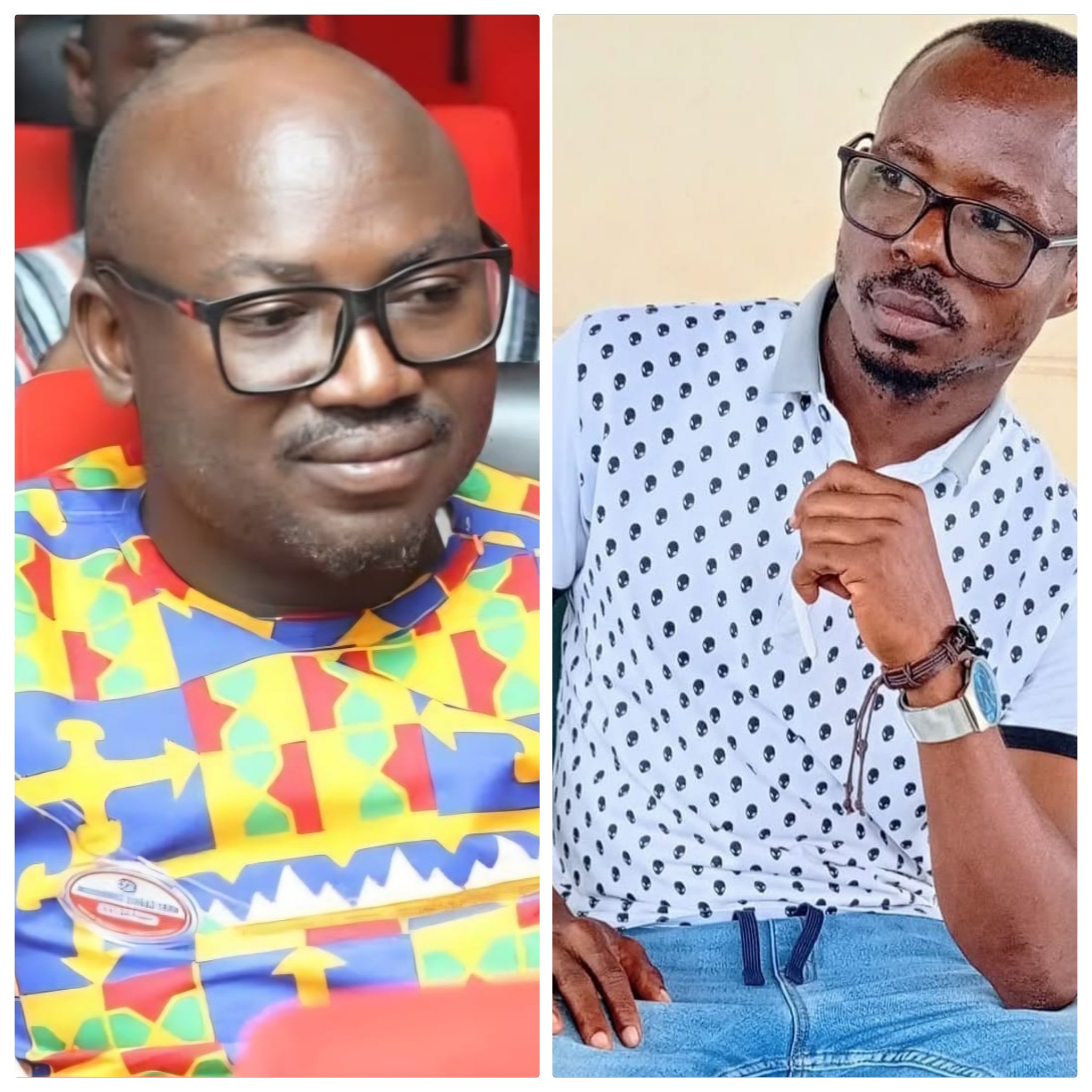
In a statement attributed to the NPP Savannah Regional Communications Director, Mr Mohammed Shiraz-Deen, the party said it had never prevented any ethnic group from contesting leadership positions.
According to him, when nominations opened, interested party members picked up nomination forms for various positions.
However, he said, unidentified individuals who were not affiliated with the NPP disrupted the process on three occasions, twice in Sawla and once in Tuna.
The Savannah Region NPP Communications Director said the party subsequently called on the Ghana Police Service and the District Security Council (DISEC) to provide security to enable the process to continue.
The NPP communications director alleged that security arrangements were inadequate during subsequent disruptions, resulting in threats to participants and the eventual postponement of the process.
He further claimed that threats continued privately, forcing some aspirants to withdraw because of concerns for their safety.
The NPP therefore disputes the assertion that the withdrawals or the eventual composition of the constituency executive were the result of a deliberate decision to exclude members of a particular ethnic group.
“Diversity is a core pillar of the NPP,” Mr Shirazdeen’s statement said, arguing that members of different ethnic groups in the constituency have historically been allowed to contest parliamentary and other political positions on the party’s ticket.
Mr. Shiraz-Deen also warned against what he described as attempts to introduce ethnic divisions into political discourse in the Bole, Sawla-Tuna-Kalba and Wa West areas.
He said the region’s major challenges included poverty and insecurity, and urged political actors and community leaders to avoid actions or statements that could heighten ethnic tensions.
Joseph Wereh in a write up claims members of the Birifor community were deliberately prevented from contesting the NPP constituency elections.
He alleged that some individuals attempting to go through the vetting process were physically assaulted and claimed that the justification given was that the Birifors were “not landowners.”
According to him, the subsequent elections proceeded without the participation of those who had allegedly been prevented from contesting, resulting in constituency executives being elected from what he described as essentially one side of the ethnic divide.
Mr. Wereh questioned whether the NPP had considered the potential political consequences of the controversy, particularly given the party’s support base in the constituency.
He noted that the NPP had historically secured thousands of votes in the Sawla-Tuna-Kalba Constituency and argued that alienating a significant section of the electorate could affect the party’s relationship with voters.
He also questioned the apparent lack of a significant public response from the party’s regional and national leadership to the allegations.
Mr. Wereh contrasted the NPP controversy with the NDC’s ongoing constituency election process, saying the NDC had completed its vetting process on September 27, 2026, without the difficulties he said characterised the NPP process.
He also commended the Chief of Sawla for reportedly intervening when some young men attempted to cause disturbances during the filing process.
According to Mr. Wereh, the Chief called for calm and made it clear that he did not want disturbances, which he said demonstrated the kind of leadership required amid heightened tensions.
The statement from the Savannah Region NPP Communications Director however, maintains that its own electoral difficulties were primarily linked to security concerns and not ethnicity.
The competing accounts have therefore left unresolved questions about what caused the disruptions during the NPP constituency election process, whether ethnic considerations influenced the participation of aspirants, and the extent to which security concerns contributed to withdrawals.
Source: nkilgifm.com