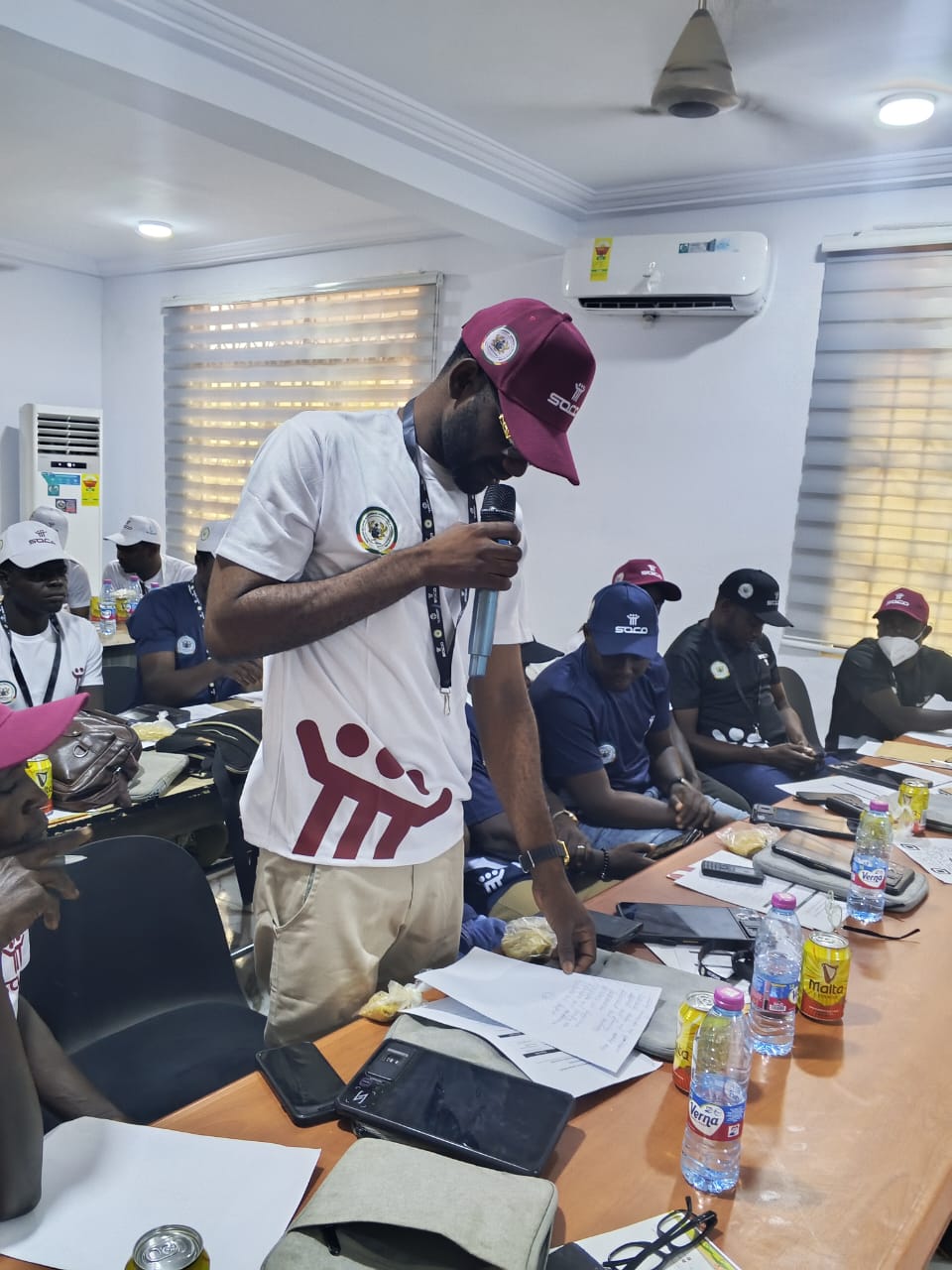
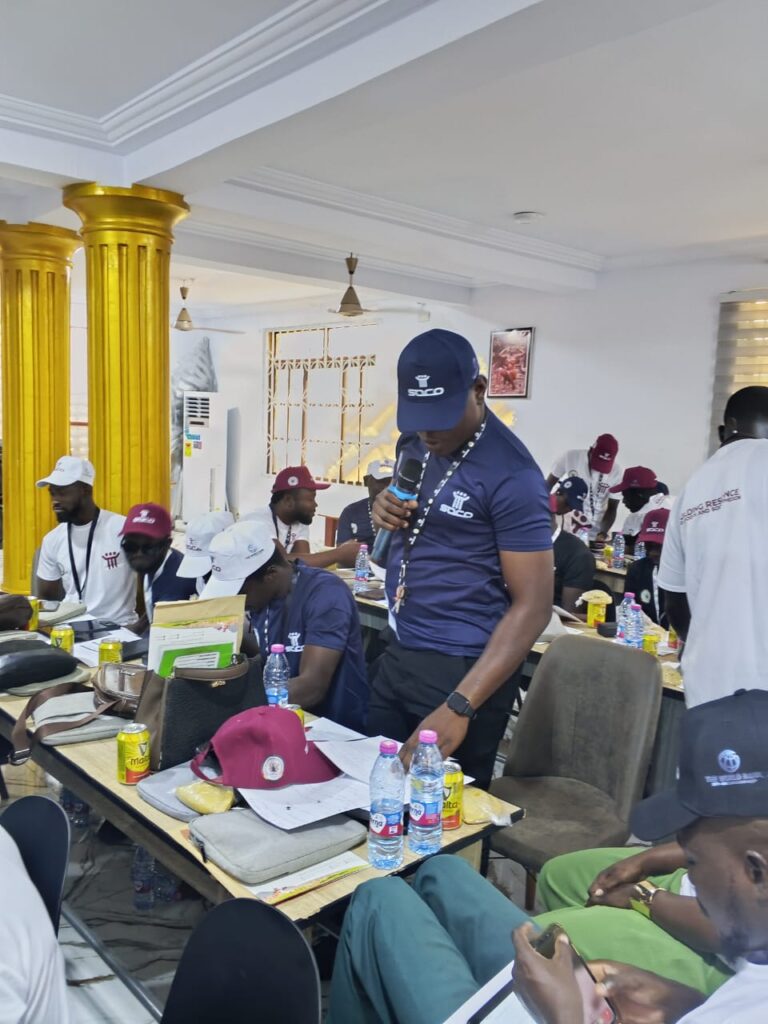
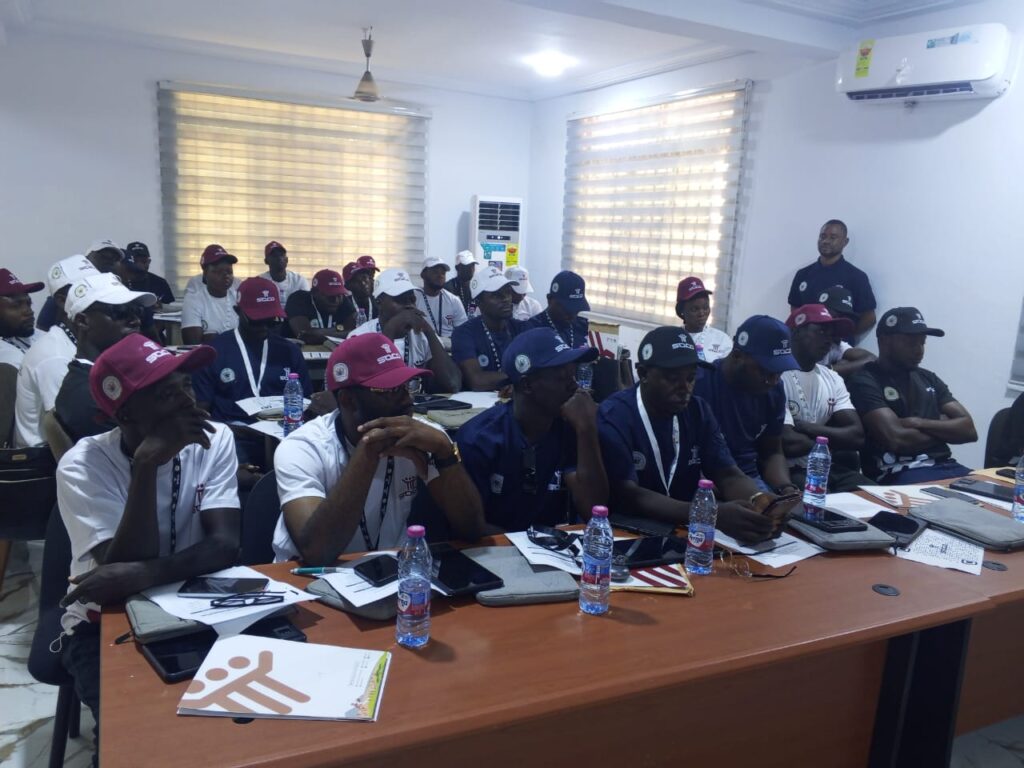
The Gulf of Guinea Northern Regions Social Cohesion (SOCO) Project has organised an orientation programme for newly recruited community facilitators in Bole to strengthen their understanding of the project’s implementation processes and equip them to promote community participation, social cohesion and local development.
The training held on Thursday, October 8, 2026, at ASSA Guesthouse in Bole brought together community facilitators from four participating districts: Bole, Sawla-Tuna-Kalba, North East and North Gonja districts and each district was represented by eight facilitators.
Among the dignitaries present were Mr Yidana Abdul Latif, Deputy Coordinator at the Regional Coordinating Council, who represented the Savannah Regional Minister; Richard Adofo Ansong, Management Information System (MIS) Specialist; and David Yankey, Zonal Coordinator of the Wa Zonal Coordinating Office (WZCO), alongside other project officials and stakeholders.
Addressing participants on behalf of the Savannah Regional Minister, Mr Yidana Abdul Latif congratulated the newly recruited facilitators on their selection and described their role as crucial to the successful implementation of the SOCO Project.
He explained that community facilitators would serve as a link between local communities and the project coordination team, helping residents understand project activities and participate meaningfully in development initiatives.
Mr. Abdul Latif emphasised that the community-driven nature of the SOCO Project required facilitators to engage traditional leaders, women, young people, older persons and other members of society to ensure that development priorities reflected the needs of the people.
He urged the facilitators to listen to community members, mobilise them, share accurate information and encourage their active involvement in project implementation.
According to him, effective community participation should go beyond attendance at meetings to ensure that residents understand, support and take ownership of the development initiatives being undertaken in their communities.
The Deputy Coordinator further called on the facilitators to pay particular attention to vulnerable groups, including women, children, persons with disabilities and people living in deprived conditions.
He stressed that the project’s objective of improving living conditions required deliberate efforts to ensure that these groups were protected and included in community development activities.
Mr. Abdul Latif also highlighted the importance of clear and accurate communication, noting that facilitators must provide reliable information to prevent misunderstandings and build trust between communities and project implementers.
He encouraged the participants to conduct themselves professionally and treat all community members fairly, adding that their behaviour would influence how residents perceived both the facilitators and the project.
“Don’t see it as you being facilitators working for SOCO. See yourselves as partners,” he urged, stressing that the facilitators had a shared responsibility in ensuring the project’s success.
He noted that the project, funded by the Government of Ghana and the World Bank, represented a significant investment intended to support infrastructure development and improve the livelihoods of communities, particularly vulnerable populations.
Mr. Abdul Latif also highlighted the employment opportunities created through the recruitment of community facilitators, describing the engagement as an opportunity for young people to earn an income while contributing directly to the development of their communities.
He encouraged the facilitators to regard their selection as a privilege and use the experience to build their skills, serve their communities and contribute to the successful implementation of the project.
He urged them to take the orientation seriously and ensure that their work strengthened public confidence in the project.
According to him, effective community participation and local ownership would increase the likelihood that completed development projects would serve their intended purposes and deliver lasting benefits.
Speaking to Bole based Nkilgi FM on the sidelines of the programme, Richard Adofo Ansong, Management Information System Specialist at the National Project Implementation Unit in Accra, explained that the orientation was designed to familiarise newly recruited community facilitators with the project’s objectives, digital tools and implementation procedures.
Mr. Ansong said the facilitators were recruited through the district assemblies in the communities where the project operates and would serve as a link between the assemblies and project officers.
He disclosed that the SOCO Project was being implemented across six regions in northern Ghana, covering 48 district assemblies, with approximately 382 newly recruited community facilitators expected to receive orientation.
He said the training was necessary to ensure that the facilitators understood their responsibilities and could effectively support the project’s development activities at the community level.
Mr. Ansong explained that the SOCO Project was supporting infrastructure development and local economic development initiatives in beneficiary communities.
He cited projects such as Community-based Health Planning and Services (CHPS) compounds, school blocks and water facilities, including boreholes and mechanised boreholes, as examples of infrastructure interventions being undertaken.
He added that the project also supported local economic development by organising community members into common-interest groups and providing financial resources to help them improve their livelihoods.
Such groups, he explained, could include basket-weaving associations, bakery associations and rice farmers’ associations, among others.
Through these interventions, the project seeks to strengthen local economic activities by providing groups with resources to improve their trades and productive capacity.
Mr. Ansong said the orientation would help the newly recruited facilitators understand how to support these initiatives and contribute to building stronger, more resilient communities.
The programme concluded with renewed calls for the facilitators to demonstrate commitment, professionalism and accountability in carrying out their duties.
Representing the Savannah Regional Minister, Mr. Abdul Latif urged the participants to justify the confidence placed in them through their selection by learning from the training and applying the knowledge gained in their respective communities.
He expressed the hope that the facilitators would help build trust, promote inclusion and ensure that the benefits of the SOCO Project reached the people for whom the interventions were intended.
He wished the participants a successful training and encouraged them to make both themselves and their communities proud through their contributions to the project.
Source: nkilgifm.com/ Issahaku Harisu