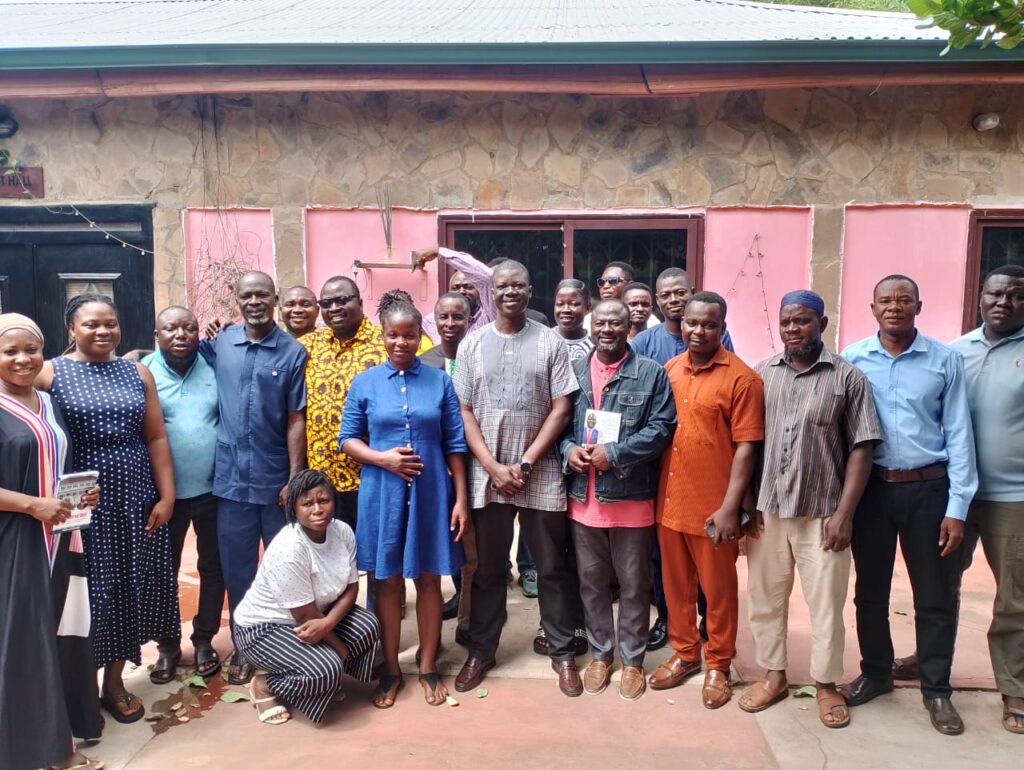
Coalition for Development of Northern Ghana (Northcode Ghana), through its KAPOK Project and in partnership with Conciliation Resources, has organised a two-day capacity-building workshop aimed at strengthening the role of the media and Civil Society Organisations (CSOs) in advocacy, peacebuilding and government policy engagement.
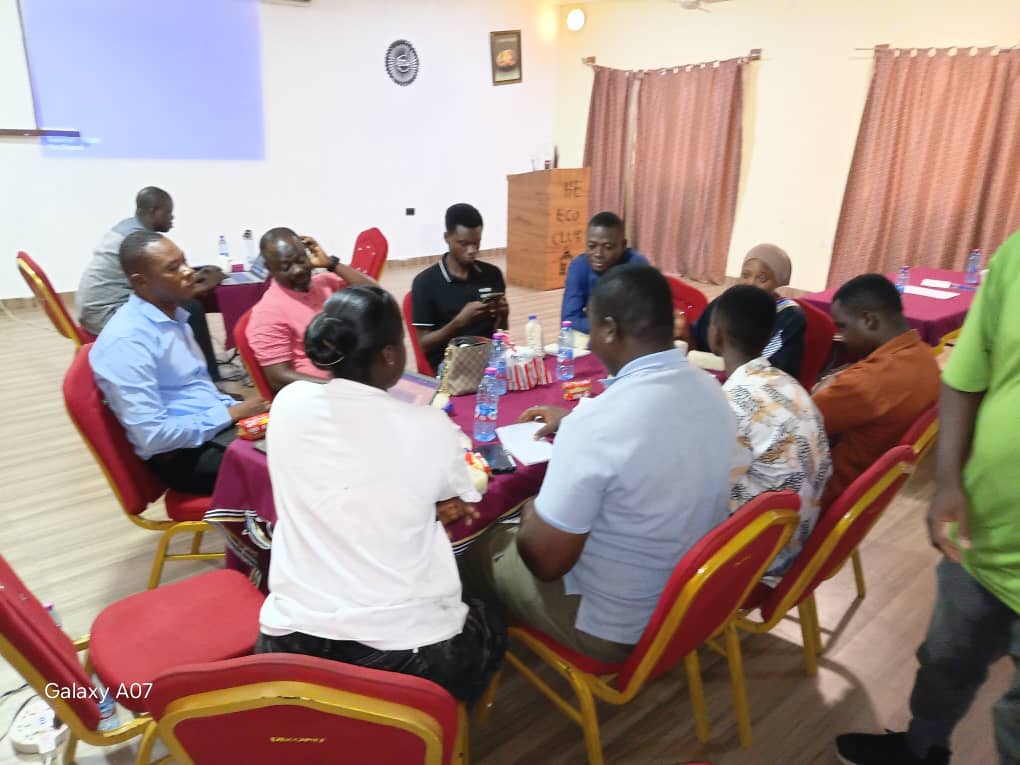
The workshop, held from June 15 to 16, 2026, at the Eco-Club House in Damongo, brought together media practitioners, non-governmental organisations (NGOs), and CSO representatives from across the project communities in Savannah region to enhance their knowledge and skills in promoting peace and influencing development policies.
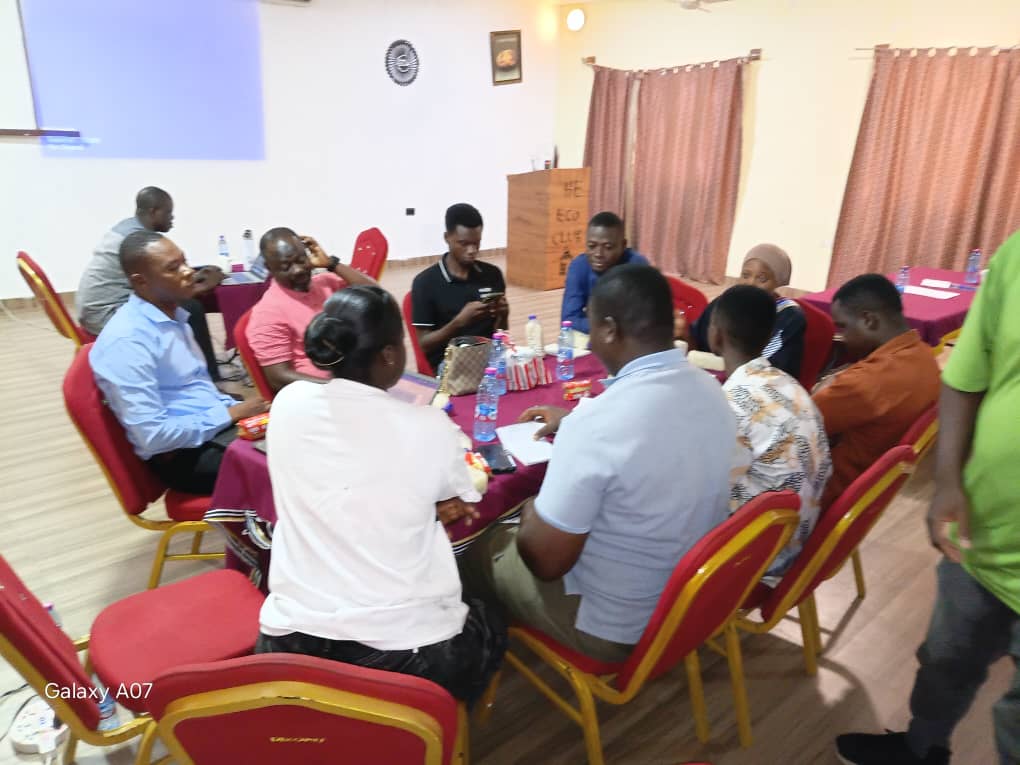
The training focused on key areas including advocacy planning and strategy development, peacebuilding approaches and conflict-sensitive engagement, stakeholder mapping and power analysis, government systems and policy processes, community mobilisation and coalition building, policy dialogue with government actors, and the development of organisational advocacy action plans.
Speaking at the closing session, facilitator Hayi Abdul Moomen underscored the critical role of the media and CSOs in shaping public attitudes and promoting peaceful coexistence. He noted that although institutions such as the police, military and government are essential in maintaining law and order, media organisations and CSOs have the unique responsibility of influencing the mindset of citizens.”I think it’s very important for the media, especially, and then CSOs and NGOs to be engaged in such conversations because they shape the minds of the general public,” he said.
“If people are conscientised against violence and conflict, it makes the work of the police, military and government much easier and society becomes more livable.”
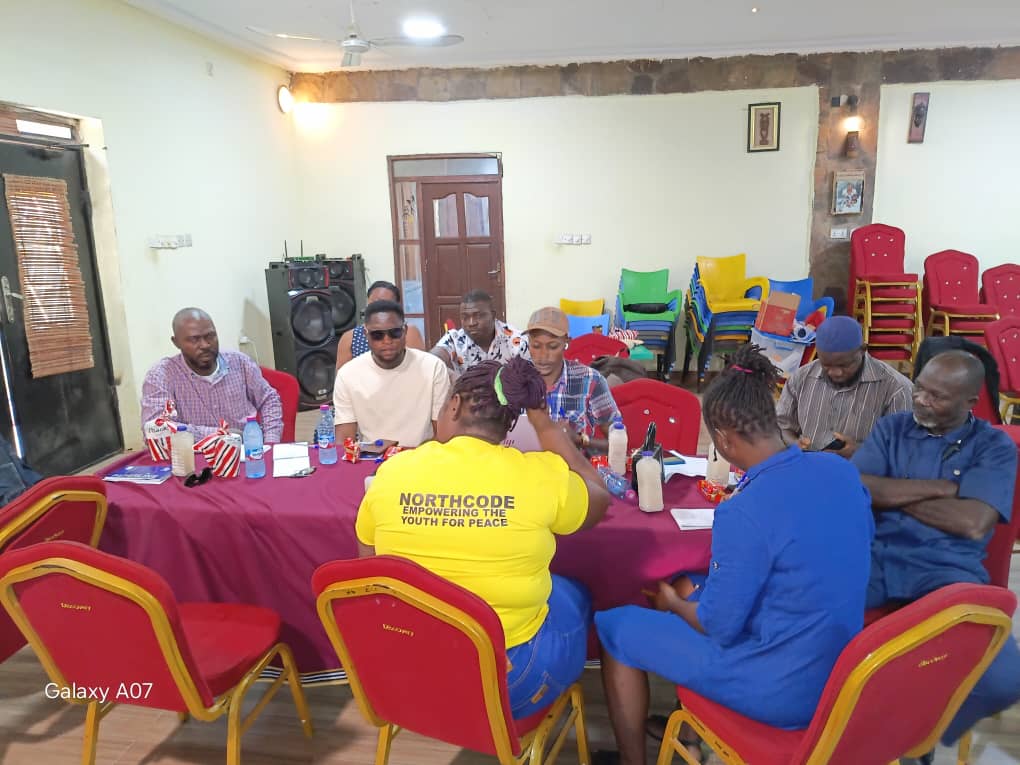
Mr. Abdul Moomen cited countries such as Switzerland and Japan as examples of societies that have intentionally cultivated values of peace, responsibility and civic consciousness among their citizens.
According to him, these values are sustained through deliberate public education and societal orientation.Using Japan as an example, he pointed to the culture of personal responsibility that has led Japanese football fans to clean stadiums after matches, despite the availability of contracted cleaners.”The process of imprinting positivity in the minds of people relies heavily on the shoulders of CSOs and the media.
Therefore, conscientising media practitioners about their responsibilities is very important,” he added.He described the workshop as a huge success, particularly because it brought together practitioners from both the media and civil society sectors to exchange ideas and strengthen collaboration.
Also speaking at the programme, Naah Sabie Aiden, Fundraising Officer and Project Quality Coordinator at Northcode Ghana, said the training was designed to explore how the media’s vast reach can be harnessed to advance peacebuilding and development initiatives.”We’ve gathered NGOs, civil society organisations and the media to share ideas on how we can make use of the critical opportunities the media offers in peacebuilding and development,” he explained.
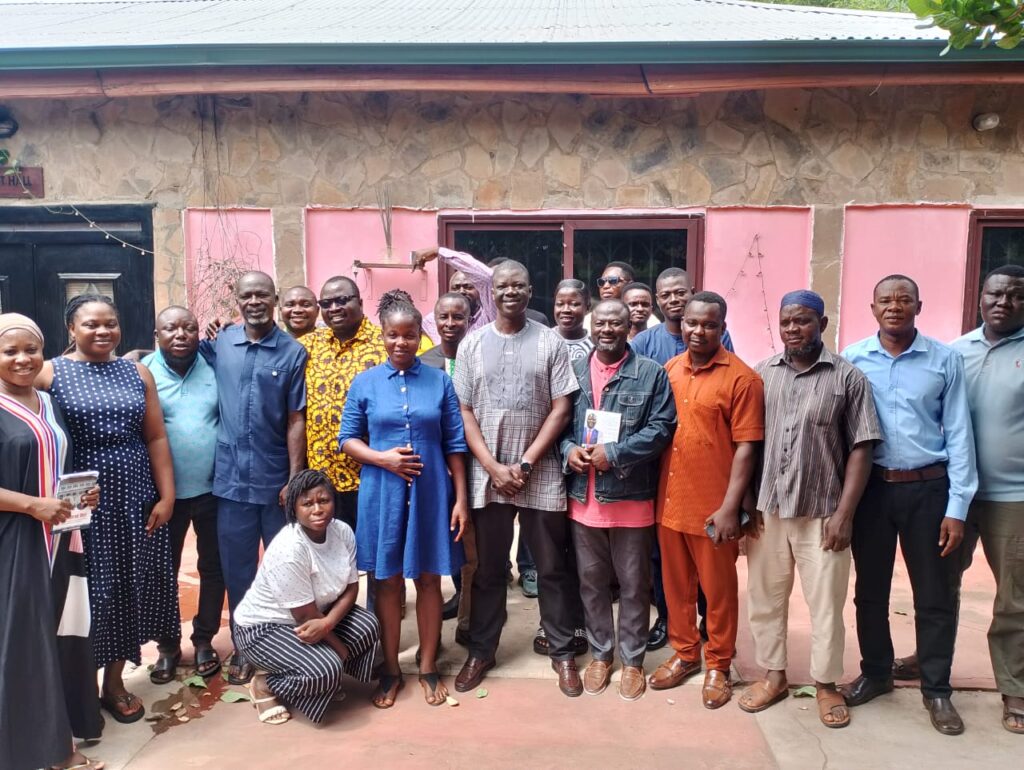
He said participants spent the two days examining the potential of the media landscape and identifying practical ways through which development organisations could work closely with media practitioners to communicate effectively with communities.
According to him, development is fundamentally about changing mindsets, and the media possesses the capacity to reach every corner of society, especially through the use of local languages.”Development partners often conceptualise ideas in English, but the media has the great potential to break them down into messages that ordinary people in communities can understand,” he stated.
Mr. Aiden further noted that the workshop marked a shift from the traditional approach where NGOs designed and implemented projects before engaging the media merely for publicity.”Going forward, we will sit together from the beginning to understand what we want to change, and the media will package those ideas in a way that will be well understood by the ordinary people,” he said. He disclosed that the KAPOK Project has been in existence since 2022 and was renewed in 2024, with prospects for extension for another three years from late 2026 or early 2027.
He added that Northcode Ghana is also pursuing several other projects that could benefit from the collaborative approach developed during the training.The organisers expressed optimism that the knowledge and partnerships forged during the workshop would contribute significantly to strengthening advocacy efforts, promoting peace, and enhancing citizen participation in governance and development processes across Northern Ghana.
Source: nkilgifm.com
