
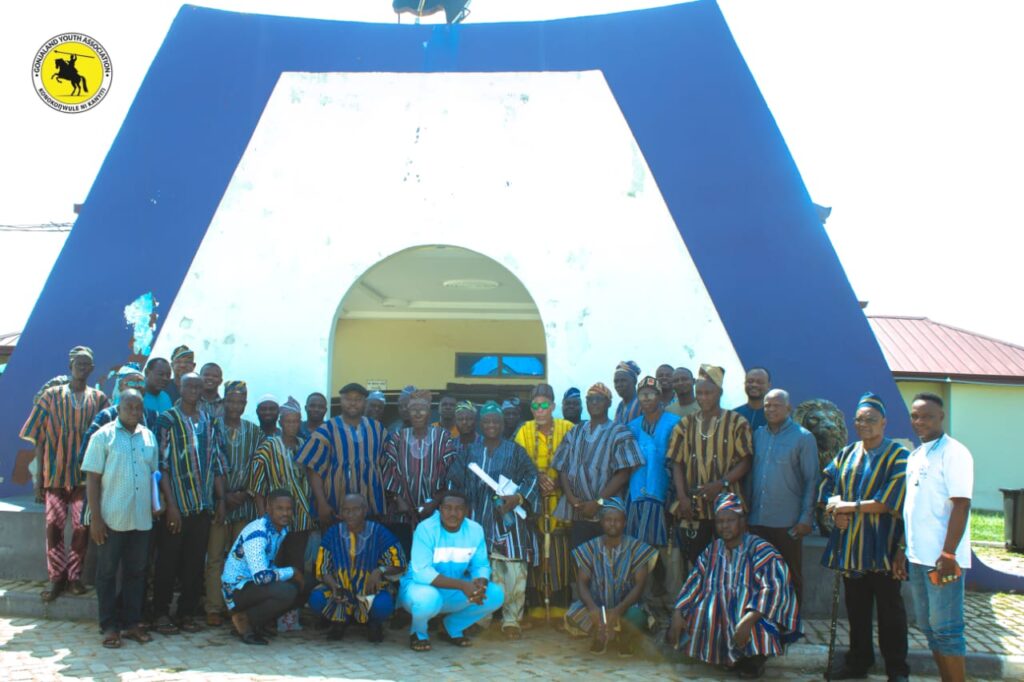
The Gonjaland Youth Association (GLYA), in collaboration with His Royal Majesty, the Yagbonwura Bii-Kunuto Jewu Soale I, has successfully convened a historic two-day stakeholders’ engagement aimed at safeguarding the external boundaries of Gonjaland and developing a comprehensive Strategic Development Plan for the Gonja Kingdom.
Held in Damongo under the theme, “Charting a Sustainable Development Agenda for Gonjaland,” the engagement brought together traditional rulers, academics, researchers, development practitioners, government officials, and other stakeholders to deliberate on the future of Gonjaland.
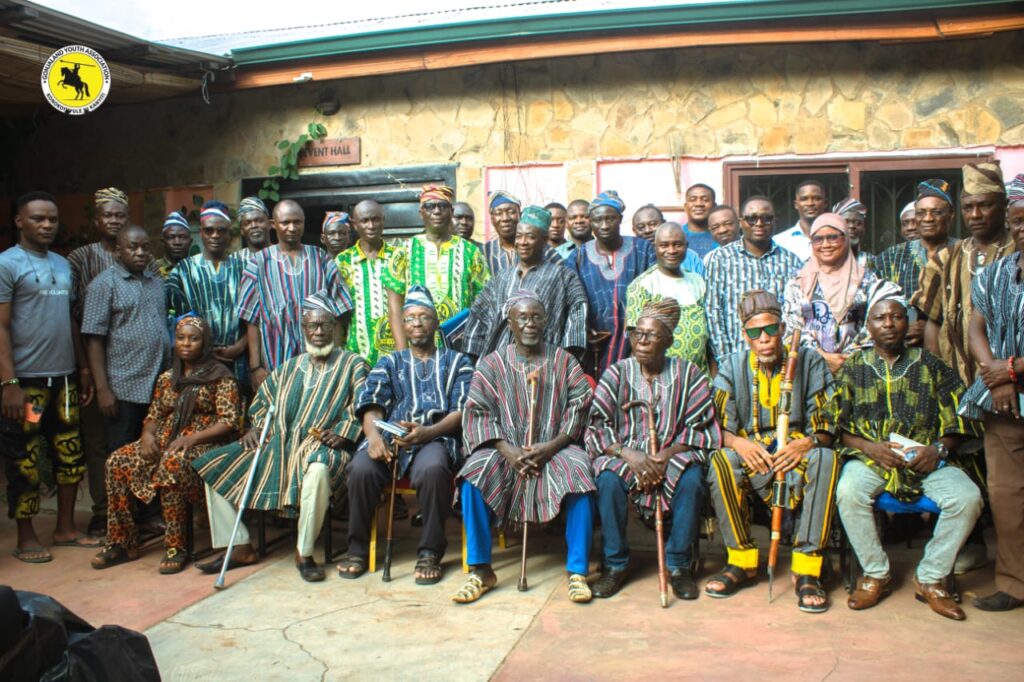
The event was chaired by the Pro Vice-Chancellor of the University for Development Studies, Professor Elliot Alhassan Haruna, and attended by the Savannah Regional Minister, Salisu Be-Awuribe, all seven Metropolitan, Municipal and District Chief Executives (MMDCEs) in the Savannah Region, as well as chiefs and elders from across the Gonja Kingdom.
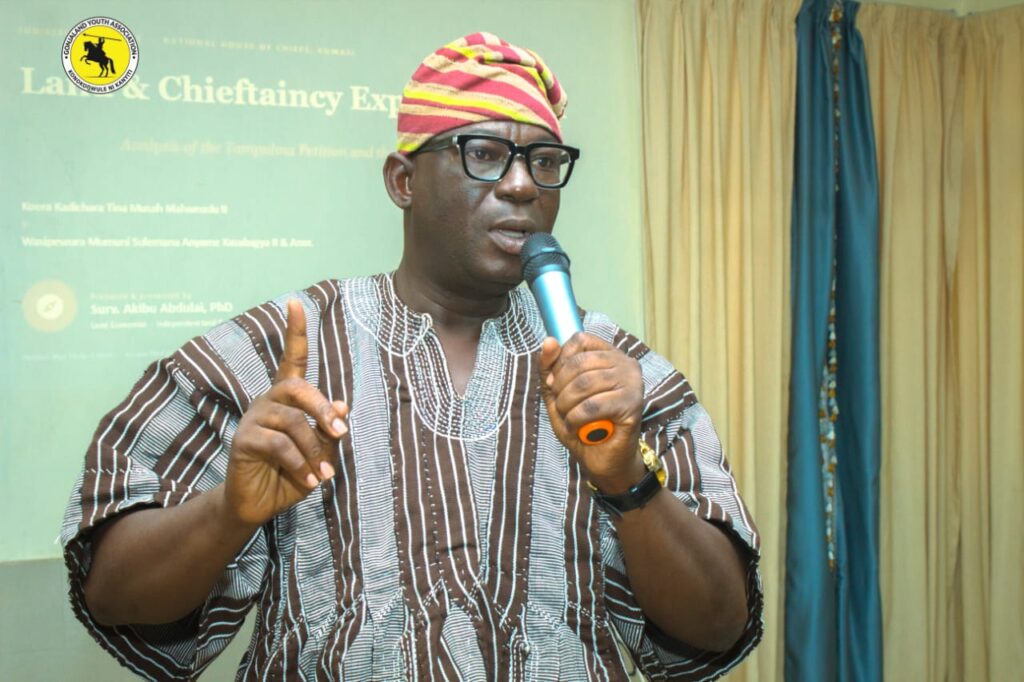
Addressing participants at the opening session, GLYA President Alhassan Baba Darison stressed the urgent need for traditional authorities and community members to protect the territorial integrity of Gonjaland. He noted that preserving the kingdom’s external boundaries requires collective vigilance, commitment, and strategic action.
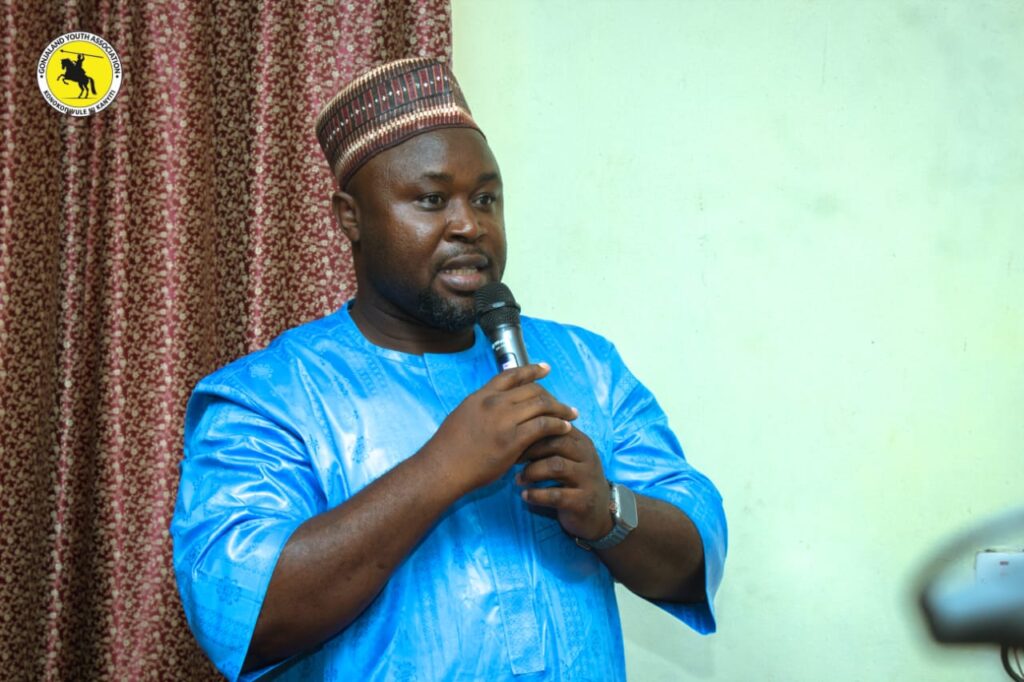
The Savannah Regional Minister commended GLYA for initiating the dialogue and urged Paramount Chiefs across Gonjaland to establish Customary Land Secretariats within their traditional areas. He explained that such institutions would improve land administration, strengthen documentation processes, and enhance the protection of traditional lands. He also advocated for the demarcation of boundaries using clearly identifiable geographical features to reduce disputes and reinforce ownership claims.
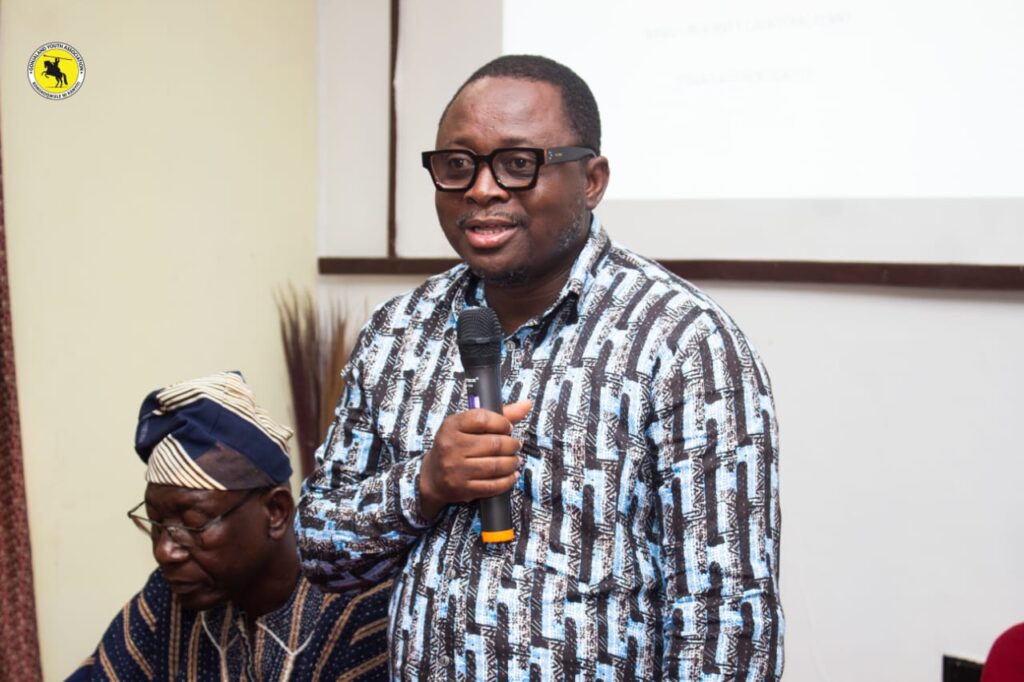
Chairman of the programme, Professor Elliot Alhassan Haruna, called on Metropolitan, Municipal and District Assemblies within Gonjaland to collaborate closely with traditional authorities in addressing land boundary challenges. He urged Assemblies to support chiefs in engaging qualified surveyors to properly demarcate and document traditional lands.
According to Professor Haruna, accurate land surveys and effective land administration systems are essential for protecting the territorial integrity of Gonjaland and preventing future disputes. He further encouraged MMDCEs to assist traditional areas in establishing Customary Land Secretariats to improve record-keeping and safeguard lands against encroachment.
Professor Haruna also appealed to Gonjalanders at home and abroad to support efforts to establish a television station dedicated to Gonjaland. He said such a platform would help preserve and promote the kingdom’s rich cultural heritage while serving as a powerful tool for development advocacy and public education.
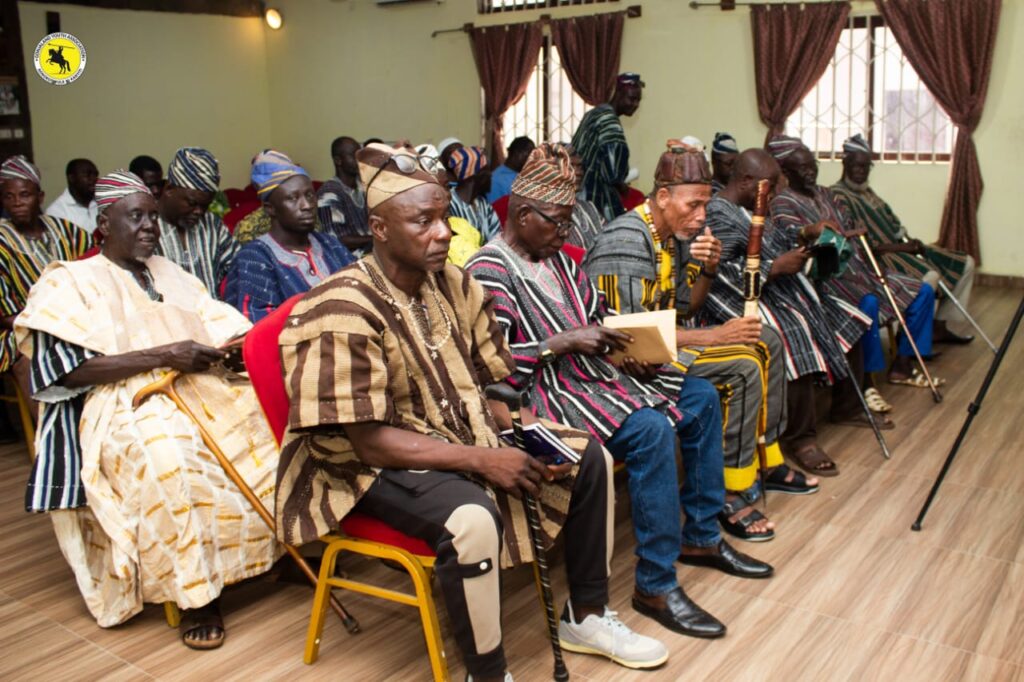
The technical sessions featured presentations by respected land governance experts and historians, Dr. Abdulai Akibu and Bengowura Adam Sam. Discussions focused on the historical boundaries of Gonja State, current land-related challenges, documentation of traditional lands, and strategies for producing a certified and legally recognized map of Gonjaland.
Participants extensively examined issues surrounding boundary protection, preservation of indigenous Gonja place names, strategic settlement of boundary communities, and the strengthening of institutional mechanisms to defend Gonja lands from encroachment.
Adding his voice to the discussions, Professor Adam Sulemana Achanso underscored the importance of preserving the historical heritage of the Gonja Kingdom through proper documentation. He urged GLYA to spearhead efforts to document traditional boundaries, land ownership records, cultural heritage sites, oral histories, and other important historical materials.
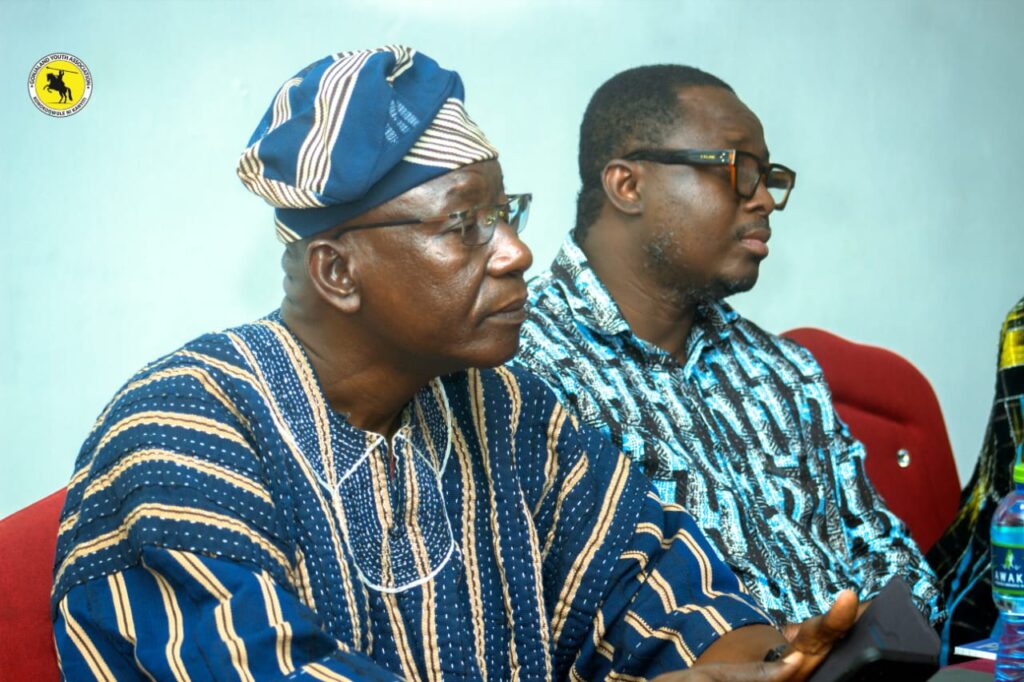
According to him, comprehensive documentation would strengthen the legal, historical, and cultural claims of the Gonja people while serving as a valuable resource for future generations.
Beyond land governance, stakeholders also focused on developing a Strategic Development Plan for Gonjaland. Discussions covered key sectors including education, healthcare, infrastructure, agriculture, youth empowerment, economic transformation, security, environmental sustainability, cultural preservation, and good governance.
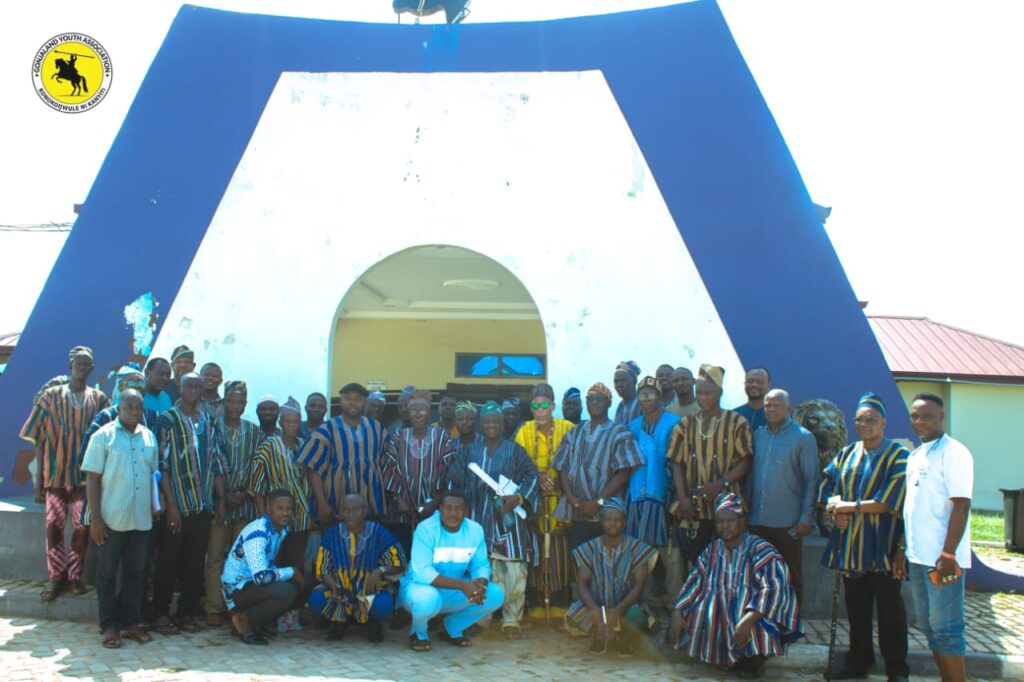
Participants unanimously agreed that protecting the territorial integrity of Gonjaland and pursuing a coordinated development agenda are critical to securing sustainable growth and prosperity for both present and future generations.
GLYA expressed appreciation to His Royal Majesty Yagbonwura Bii-Kunuto Jewu Soale I for his leadership and support and thanked all participants for contributing to the discussions.
The Association announced that recommendations and resolutions from the engagement will be consolidated into actionable frameworks to guide future interventions on land governance and strategic development across the Gonja Kingdom.
Source: nkilgifm.com
